
To plan a St. Patrick's Day race, lock in your date and course first, because St. Patrick's weekend is busy: parades, road closures and other events compete for the same streets, police and volunteers. Run it on a weekend morning near the holiday (on the day itself when it falls on a weekend), offer a 5K plus a short walk or kids' dash, and open online registration as soon as you have a date. Decide early whether you'll have an after-party and who it's for, plan for March weather, and keep race morning simple: green everywhere, a clearly marked course, and results posted before the party gets going.
Why host a St. Patrick's Day race?
It's the first big party race of spring. Runners are coming out of winter and want a reason to get outside, the costume is easy (just wear green), and the holiday draws people who would never sign up for a plain 5K. It also pairs well with a local business and a good cause.
Which day and time should it be?
St. Patrick's Day moves around the week. When it falls on a weekend, race that day. When it's midweek, the weekend before works well, so runners don't have to pick between your race and their own plans for the holiday.
A start between 8 and 10 AM gives a March morning a little time to warm up and leaves the afternoon for the party. Keep the course open long enough for walkers: a 5K takes most of them an hour or more.
If your town holds a parade, ask the city about its date and route before you pick yours. Racing the same morning means competing for police, road closures and parking.
What does a 3-month St. Patrick's race plan look like?
About 3 months out (December)
Choose your course and measure it.
Ask your city's special events office, parks department or landowner what they need and how much notice they want. Many offices slow down in late December, so ask before the holidays.
Ask what insurance they require, in writing, and get quotes. If there will be alcohol at the party, ask about that too.
Write a simple budget.
About 2 months out (January)
Submit your permit application if you need one.
Open registration and start sharing your race link.
Ask local businesses about sponsoring or hosting the party.
Order green shirts or socks now.
About 1 month out (February)
Recruit volunteers and give each one a job.
Order bibs, cups, water, signs and portable toilets (if there are no restrooms).
Plan packet pickup, timing and results.
Confirm the party details: who checks IDs, wristbands, food, and a family area.
Race week
Email runners the start time, parking, road closures, packet pickup, party details and the weather plan.
Confirm every volunteer.
Walk the course the day before and mark every turn.
On Run This: you can set early-bird prices that step up on dates you choose. Free races are free. On a paid race, runners pay about 5% + $1 per registration at checkout, and you keep 100% of your price.
St. Patrick's Day is only weeks away. Can I still put on a race?
Yes, if you keep it small and simple.
This week: pick a course where permission comes fast, like a school track, a church or business campus, or a park path, and get it in writing. Ask your city whether you need a permit, and open registration the same week.
Next week: recruit volunteers, and ask a local business whether it will host the finish or the party.
Two weeks out: buy cups, water, signs, cones and a first aid kit. Skip custom shirts. Green beads, shamrock stickers or a costume contest can be the fun instead.
Race week: send runners one clear email with everything they need.
If you can't get permission in time, hold it the weekend after. A shamrock run a week late is still a shamrock run.
Should there be an after-party?
For a lot of runners, the party is half the fun. The simplest way is to partner with a local restaurant or brewery that already has the space, the food and the license. Before you promise one:
If alcohol is involved, ask your venue, your city and your insurer what they require. Rules differ from place to place.
Plan how ages get checked, like ID checks and wristbands at the door.
Have water, food and nonalcoholic drinks for everyone.
Give families a space or a plan of their own, so kids feel welcome.
Remind runners to plan a safe ride home.
On Run This: give the party its own section on your event page, next to sections like Schedule and Parking, so runners know the plan before they sign up. Add a custom registration question like "Coming to the party?" to help you plan the food.
How do I make it family friendly?
Offer a 5K for runners, a 1-mile walk for grandparents and strollers, and a kids' dash (a "leprechaun dash" sells itself) a few minutes before the main race. A pot of gold at the end of the kids' dash, even just chocolate coins, goes a long way.
Decide early whether strollers and dogs are welcome, check that your venue allows them, and put the answer on your race page.
On Run This: add each distance as its own option with its own start time and price. A kids' dash can have age limits so only kids can sign up. A parent can register the whole family in one cart with one payment, and kids can be added as dependents without needing their own account.
How do I lean into the theme?
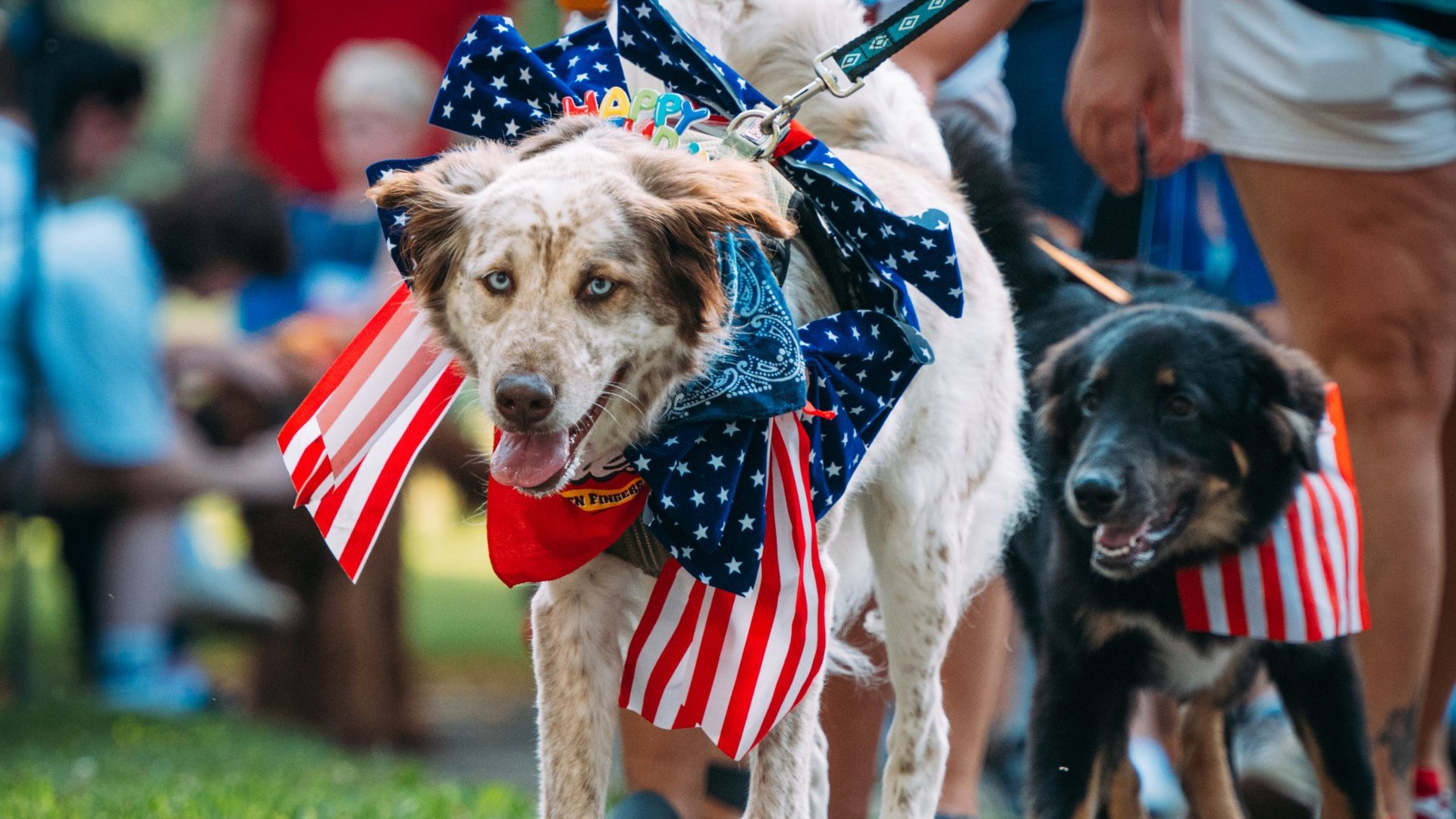
A costume contest with a few categories: best leprechaun, best group, best dog.
Green everywhere: green balloons at the finish and a shamrock sign at every mile.
A lucky bib drawing: pull random bib numbers for small prizes after the race.
On Run This: let runners vote on the shirt color with a poll on your event page. After the race, post your photos for free, in albums, so every costume shot is easy to find.
Should my St. Patrick's race raise money?
Many do. Pick one local cause, talk to them first about how they want to be involved, and share a goal so people have something to push toward.
On Run This: add a fundraiser with a Donate button and an optional progress bar toward your goal. Donations cost about 4% + 50¢, and donors can choose to cover that fee so the cause gets every cent. You can let each runner raise money with their own fundraising link. When you add the charity as a charity partner, donations go straight to its own account.
What should I give runners?
A green shirt, or green socks (cheaper, and people actually wear them)
Food and drinks at the finish
Prizes for the costume contest and age group winners
On Run This: offer items as free giveaways or as priced merch with sizes, and inventory is tracked as people pick them. Runners who already registered can buy items later from their registration.
How do I plan for March weather?
March can bring sun, wind, rain or a late snow, sometimes in the same week.
Find a covered spot for check-in, and a tent or indoor backup for the party.
Remind runners in your race-week email to dress in layers and bring a rain jacket.
Decide ahead of time what weather would make you delay or cancel, and tell runners where you will post updates.
On Run This: you can email all of your registrants from your dashboard and schedule the email ahead of time. If you need to postpone or cancel, your race page shows a clear banner and registered runners are alerted automatically.
How do I handle check-in and packet pickup?
Hold packet pickup the day before if you can, at the party venue or a sponsor's shop. Keep a race-morning table for everyone else, and put your fastest volunteers there.
On Run This: volunteers check runners in from their own phones with a code, no account needed. They can search by name or bib, or scan a runner's QR code. If your fun run does not use bibs, you can turn bibs off at check-in.
How do I time it and share results?
Runners want their time, and they want the awards done before the party. A kids' dash usually does not need timing at all.
On Run This: the Run This Stopwatch is free, and any volunteer can run it from a phone. When your distances start at different times, each one gets its own start. Turn on automatic sending and finishes flow into your results as runners cross, so the award winners are ready when the last runner is in. Publish results for runners to see and share.
St. Patrick's race-day checklist
Course marked, with a volunteer at every turn, and parade road closures checked
Covered spot for check-in, with your runner list, bibs and pins
Water and cups at the finish
Timing tested before the start
Kids' dash area set up away from the finish chute
Costume contest judges picked and prizes ready
Party ready: ID checks, wristbands, water and food for everyone
Restrooms open or portable toilets in place
First aid kit, an emergency plan, and your permit and insurance papers
Frequently asked questions
How far ahead should I plan a St. Patrick's Day race?
About three months is a good target, mostly for the permit, shirts and the party venue. A small race on private land can come together in about four weeks.
Do I need permission to serve beer at the party?
Usually, yes, and the rules differ from place to place. Ask your city, your venue and your insurer. Partnering with a business that already has a license is often the simplest route.
Do runners need to sign a waiver?
It is a good idea, and many insurers and venues require one. On Run This, every registration includes the Run This liability waiver, and you can add up to two of your own.
Can I keep the same date next year?
Yes. On Run This, once the race is over, Renew sets up next year and keeps your page, your link and everyone who saved your race. It picks the same day of the week by default, which suits a weekend race. If yours is always on St. Patrick's Day itself, tap Same date.
Ready to start? See the step-by-step plan at https://runthis.run/start-a-race, or read How to Organize a 5K Fun Run and How Much Does It Cost to Put On a 5K. Want something to send your runners? Share the St. Patrick's Day Race Guide.
Planning a shamrock run and stuck on something? Tell me. I read every one.